How to Choose the Right Band and Orchestral Instruments for Your Next Project
Whether you are a seasoned session player or just starting to build a home studio, the world of acoustic and electric instruments can feel both exciting and overwhelming. I have spent years on both sides of the glass - as a performer and as a producer - and one thing I have learned is that the right instrument can make or break a track. This is especially true when you are dealing with band and orchestral instruments, where nuance and character matter just as much as technical specs.
In this piece I want to share some practical insights from my own experience, focusing on what to look for when you are buying, selling, or simply trying to understand the gear that fills so many of our favorite recordings. The marketplace for these instruments has changed a lot in recent years, and knowing what to prioritize can save you time, money, and frustration.
Understanding the Landscape: Acoustic vs. Electric
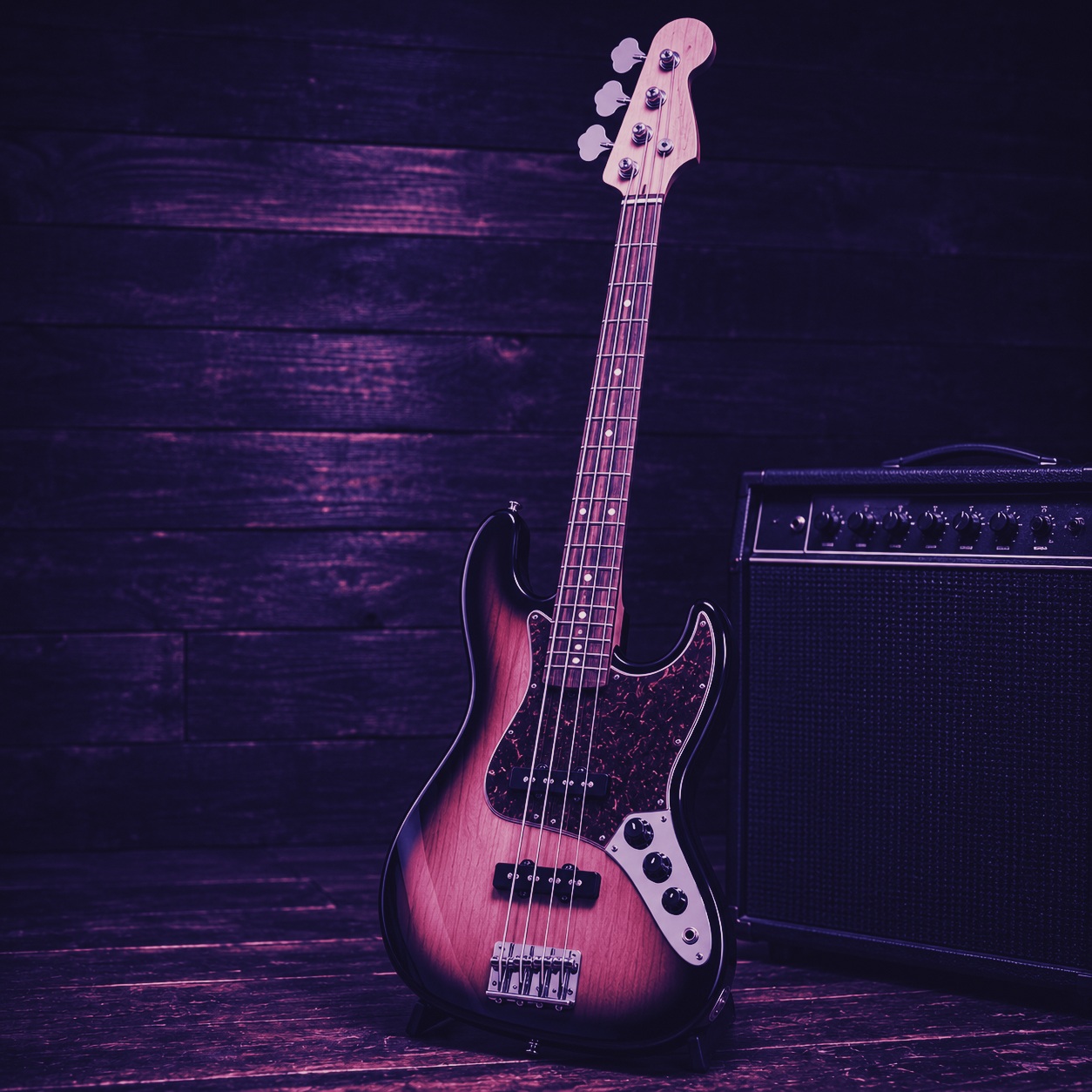
One of the first decisions you will face is whether to go fully acoustic or to incorporate electric instruments. I remember a session years ago where the producer insisted on a vintage Fender Precision Bass for a folk record. It seemed odd at first, but the warmth and punch of that instrument blended perfectly with a Martin acoustic and a pair of Vandoren reeds on the clarinet parts. The mix of electric and acoustic band and orchestral instruments is more common than you might think, and it often yields the most interesting textures.
When I think about the brands that consistently deliver, a few names come to mind. Yamaha has been a workhorse in both the acoustic and electric worlds for decades. Their pianos are staples in schools and studios, and their brass and woodwind lines are reliable without being flashy. On the electric side, Gibson and Fender are the obvious heavy hitters for guitars, but do not overlook Music Man for basses or Roland for keyboards and electronic percussion. Each of these brands has a distinct voice, and part of the fun is learning how to match that voice to your project.

Strings, Winds, and Brass: The Core of the Ensemble
If you are working with a string section, the choice of instrument and accessories matters enormously. I have seen players switch from a cheap bow to a carbon-fiber one and completely transform their tone. For reeds, Rico Reeds and Vandoren are the two names I hear most often in professional settings. Rico Reeds tend to be a bit more forgiving for beginners, while Vandoren offers a range of cuts that give experienced players more control. On the brass side, Selmer is legendary for saxophones, and their horns hold value well over time.
Percussion is another area where brand choices can shape the sound. Pearl and Ludwig Drums are both excellent for drum sets, but they have different personalities. Pearl kits tend to be brighter and more cutting, while Ludwig drums have a warmer, more vintage character. For cymbals, Zildjian is the standard for a reason. Their cymbal lines cover everything from delicate jazz rides to aggressive rock crashes. I have also used Evans Drumheads on many sessions because they offer consistent tuning and durability, which is crucial when you are tracking multiple takes.
Electronics and Amplification: Getting the Sound Out
Once you have chosen your instruments, you need to think about how to capture and amplify them. This is where brands like Shure, Sennheiser, and Audix come into play. Shure microphones are everywhere for good reason - they are rugged, sound great, and are affordable. For live sound, I have found that Sennheiser e-series mics handle high SPLs well, especially on brass and percussion. Audix makes some excellent drum mics that are less common but really shine in a studio setting.
For amplification, Hartke is a brand I have used for bass cabinets on many gigs. Their aluminum cone speakers give a clear, punchy sound that works well in a mix. On the keyboard and synth side, Korg has been a reliable name for decades, from their classic analog gear to modern digital workstations. And for effects and pedals, Boss is the go-to for many guitarists and bassists. Their tuners and multi-effects units are practically indestructible.
Practical Tips for Buying and Selling
When you are in the market for band and orchestral instruments, condition and provenance are everything. I always ask about the instrument's history - has it been modified, repaired, or refinished? Original parts often matter more than you expect, especially for vintage gear. For example, a 1960s Gibson with original pickups and hardware will hold its value much better than one that has been heavily modified, even if the modifications improve playability.
Another thing I have learned the hard way is to test instruments in the environment where you will actually use them. A guitar that sounds amazing in a quiet showroom might sound thin and harsh in a live band setting. Bring your own amp or headphones if possible, and play the instrument through the same signal chain you would use on stage or in the studio. This is especially important for electronic instruments like Roland drum pads or Korg synthesizers, where the sound can change dramatically depending on the amplification.
I also recommend keeping an eye on the market for used gear. Many professional musicians upgrade their instruments regularly, and you can find excellent deals on lightly used items from top brands like Steinway & Sons, Selmer, and Ludwig Drums. Just be sure to inspect for wear on frets, pads, and moving parts. A well-maintained used instrument can be a better investment than a new budget model, as long as you know what to look for.
The Human Element: Connecting with Other Musicians
Finally, never underestimate the value of community. The best deals and the best advice often come from other players. I have found that attending local jam sessions, joining online forums, and visiting music stores regularly keeps me informed about what is actually good right now. The marketplace for band and orchestral instruments is not just about transactions - it is about relationships. When you buy a saxophone from a fellow player, you are also getting their knowledge and trust.

One of my favorite experiences was buying a used Pearl drum set from a studio drummer who was moving to a smaller kit. He spent an hour showing me how he had tuned the drums and what heads he used (Evans Drumheads, naturally). That kind of knowledge is priceless, and it is something you rarely get from a big-box retailer. Websites and apps that connect musicians directly have made this kind of exchange more common, and I think that is a good thing for everyone.
To sum up - wait, I will not say that. Instead, let me leave you with this: the next time you are considering a new piece of gear, take a step back and think about the whole picture. The instrument, the accessories, the amplification, and the people you are working with all matter. And remember that the best band and orchestral instruments are the ones that inspire you to play. Whether it is a vintage Gibson guitar, a Yamaha piano, or a set of Zildjian cymbals, the gear is just a tool. The music comes from you.